Rails to Stone: Journeys Through Castles, Abbeys, and Scenic Walks

All aboard for Heritage Rails and Trails: Castles, Abbeys, and Scenic Walks by Train, where carriages glide toward weathered ramparts, cloisters breathe in hushed light, and footpaths unfold from rural stations. Pack curiosity, a light daypack, and a camera; we will pair timetables with tide-like daylight, share practical wisdom, and invite your stories. Add your favorite line, ruin, or footpath in the comments and help fellow travelers step from platform to portal with confidence, wonder, and care.

Planning Routes from Platform to Portcullis
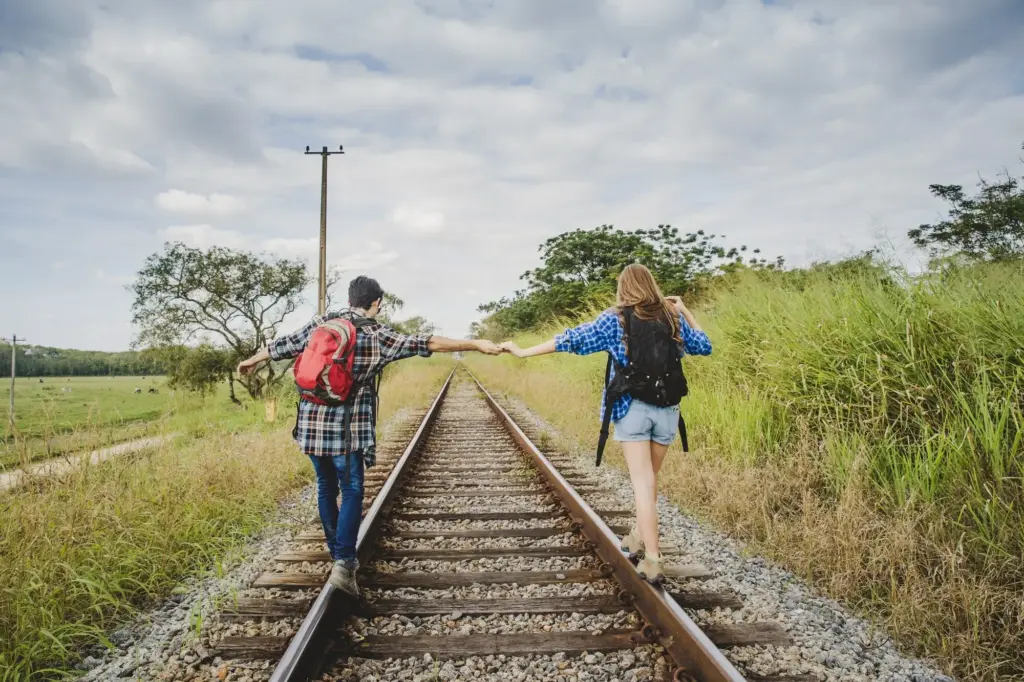
Great journeys begin with a sensible timetable and an even kinder margin for serendipity. Match frequent regional services with short station-to-site walks, consider return times after golden hour, and watch for request stops on smaller branch lines. Rail passes can simplify spontaneous hops, while seat reservations help on long stretches. Remember that medieval walls and rural paths ask for daylight; shape your day around sunrise, sunset, and a generous pause for soup, tea, or a sketch beside the gatehouse.

Choosing Carriages and Connections

Seek lines that thread valleys rather than highways, because slower routes often deliver closer station access to ancient sites and quieter trails. Build buffer time between connections; heritage walks tempt detours. When possible, time transfers near market towns, so you can stock pastries, water, and local cheese before ascending to battlements. If a branch line offers a request stop, learn the signal procedure in advance and tell the guard early, transforming a technicality into a delightful, unrushed arrival.

Passes, Tickets, and the Freedom to Wander

A regional rail pass can convert rigid planning into an elastic day shaped by weather, light, and mood. Compare seat reservation requirements, off-peak rules, and coverage for heritage railways that sometimes interlace with national networks. Digital tickets spare paper but confirm battery life on long rambles. Keep a snapshot of timetables in case coverage fades near stone walls or forested cuttings. With flexibility sorted, your mind stays on archways, moats, and pathways, not penalty fares or dwindling minutes.

From Steam Whistles to Singing Cloisters

Even modern units echo the romance of steam when they skim past viaduct arches and whistle through cuttings carved by earlier hands. Stepping down to a platform framed by hills, you follow waymarks toward stonework whose builders knew chants, forges, and wind. The shift from carriage rattle to cloister hush recalibrates attention. Notice moss patterns, door hinges, soot-streaked bricks beside abbey quarries, and the way train rhythms linger in your pulse as you cross worn thresholds with quiet respect.

Trailcraft for Cobblestones and Moor Paths
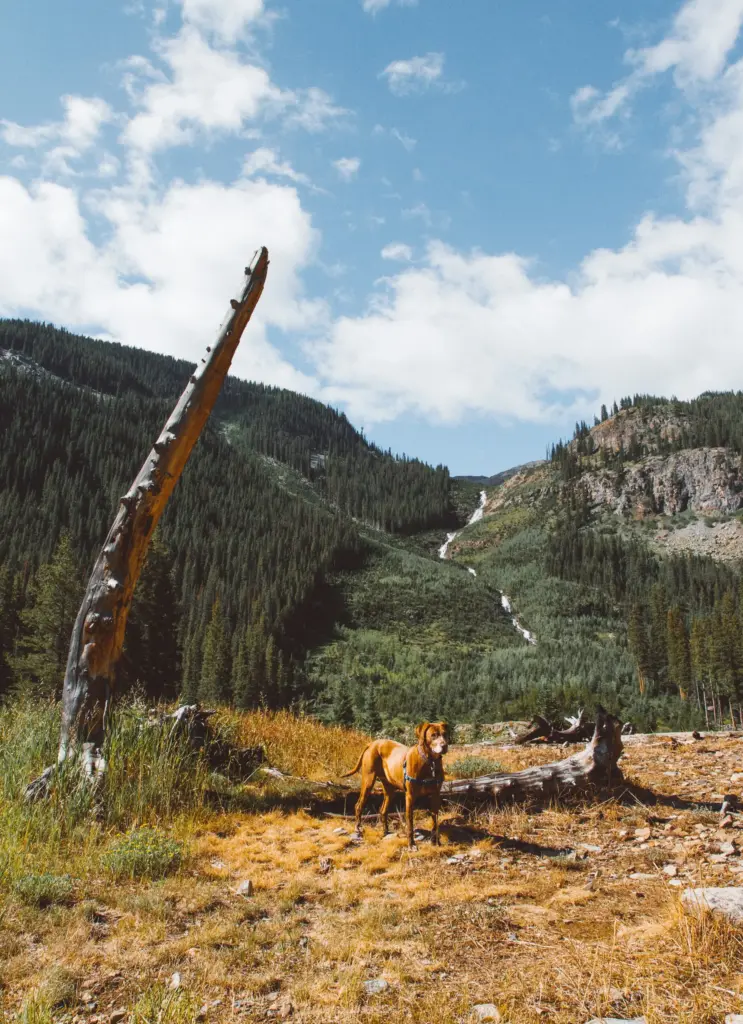
Walking from a rural halt to ancient stone asks for different choices than a city stroll. Surfaces vary from slick cobbles to sheep-nibbled turf and root-laced woodland, sometimes in a single mile. Footwear with grippy soles and forgiving uppers prevents fatigue on steps, towers, and towpaths. Layer smartly for fast-changing weather that swings from drizzle to glare. Navigation tools should complement waymarks, not replace awareness. Prepare snacks that resist crumbling pockets. With sturdy basics, wonder takes the lead.

A Volunteer Guard and a Moonlit Keep

One evening train arrived late, and a volunteer guard noticed my anxious glance at the darkening ridge. He pointed to a modest lane skirting fields, safe and well-marked, leading to a keep that glowed under a rising moon. We swapped thanks at the foot of the path, and I added a small donation on return. That night proved how local knowledge, gently shared, can extend a day into memory without risking safety or rushing hungry steps.

A Choirless Hymn in a Roofless Nave

Rain had just ceased when I stepped into the nave, where pooled water mirrored ribs of absent vaults. A couple stood silent, then softly hummed a melody their grandmother taught them. The notes drifted through broken clerestories and out to pastures, not performance, simply reverence. We spoke briefly about trains and timing, then parted. Later, the returning carriage’s sway seemed to carry that tune, reminding me that travel works best when expectations loosen and listening deepens.

The Biscuit That Saved a Hike

Halfway to a hilltop fort, shoes squeaked on wet slate and spirits flagged. A stranger offered a ginger biscuit with a grin, explaining it suited wobbly weather and wobbly moods. Sugar, spice, and a laugh restarted the climb. At the summit, mist parted like curtains and fields fanned outward. On the down-train we met again, traded bakery tips, and promised to pay the favor forward. Small provisions, shared freely, often rescue more than calories alone.

Capturing Stone and Sky on the Move

Cameras and sketchbooks love rail journeys because scenes arrive framed, then transform within minutes on foot. Train windows teach anticipation; ruins demand attention to texture, scale, and respectful angles. Seek light that sculpts, not flattens, and embrace weather as collaborator. A quick contour sketch or a slow shutter across ripples in the moat both honor patience. Share your images and drawings with us; your eye might reveal a detail others have always passed without noticing.

Taste, Rest, and Giving Back

Sustenance shapes stamina and spirit. Country stations often hide extraordinary bakeries, community pubs, and farm shops where recipes echo old harvests. Choose places that source locally and support conservation efforts. Book lodgings that welcome walkers with drying rooms and early breakfasts matched to departure boards. When you give back—through memberships, donations, or volunteering—footpaths stay open, stone stays stable, and stories continue. Tell us which cafés warmed your fingers, which inns sheltered your boots, and whom we should thank next.

Station Pies, Abbey Cheeses, and Castle Ales

Celebrate regional flavors that make miles feel easier: hand-raised pies for ridge walks, nutty cheeses from monastic traditions, and bitters brewed beneath battlements. Ask staff about seasonal specialties and routes to picnic spots with views. Refill bottles where permitted; avoid litter always. A thermos of tea can rescue morale in sleet, while a sunny orchard demands something sparkling and local. Share favorite finds so readers can weave taste into itineraries as naturally as timetables and maps.

Memberships, Donations, and Hands That Mend Walls

Consider joining preservation trusts that steward castles, abbeys, and waymarked paths; memberships often include reciprocal benefits and informative magazines perfect for train reading. On-site donations, however small, compound into mortar, signage, and habitat care. Some organizations welcome volunteers for clearing invasive growth or surveying trails. Ask about accessible projects if time is short. Your participation transforms sightseeing into stewardship, ensuring future travelers meet sturdy steps, legible histories, and birds nesting safely where stone and sky have long conversed.

Community: Share Routes, Ask Questions, Return Soon

Our journey thrives on conversation. Post route notes, station-to-ruin timings, and waymark quirks that tripped you up or saved your day. Ask for help refining a multi-castle weekend, or offer company for a midweek abbey ramble. Subscribe for fresh ideas, sketch prompts, and seasonal alerts on daylight and service changes. When you return from a walk, bring back a story and a photo we can feature, proving that rails, trails, and kindness keep circling, gathering strength.